


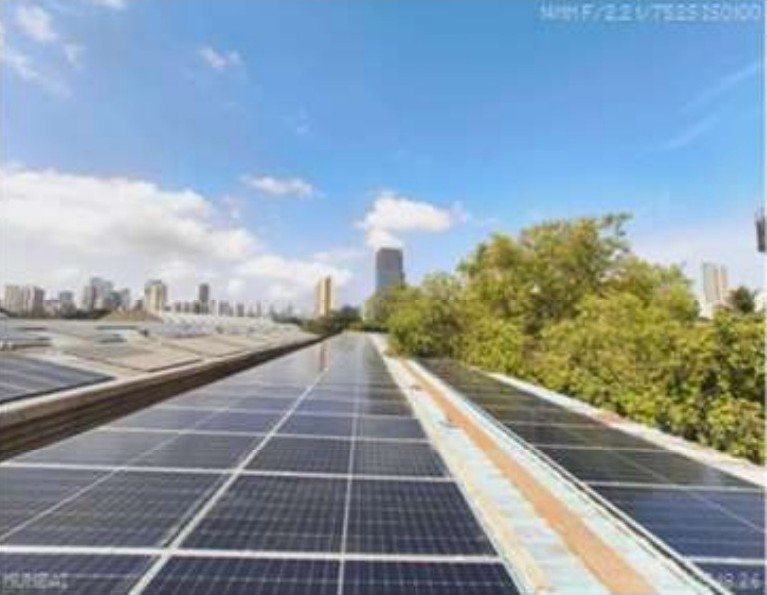
MUMBAI: Central Railway’s Matunga Workshop, one of the oldest railway workshops in the country, now runs 2 MW of rooftop solar power, which is expected to meet about 42.5% of its electricity needs and save around ₹1.90 crore a year.
The two rooftop plants are projected to generate about 28.56 lakh units of electricity annually and avoid nearly 2,340 tonnes of CO₂ emissions every year, Central Railway said on Wednesday.
No upfront cost to Railways
The plants were set up under the RESCO model, in which private developers invest in the installation and handle operation and maintenance. Railways pay only for the power generated, at rates fixed under a Power Purchase Agreement (PPA).
The first 1,000 kW plant, built by M/s S.G. Renewables, New Delhi, was commissioned in February 2020. The second 1,000 kW plant, built by M/s Comspec Renewable, Hyderabad, was commissioned in March 2026.
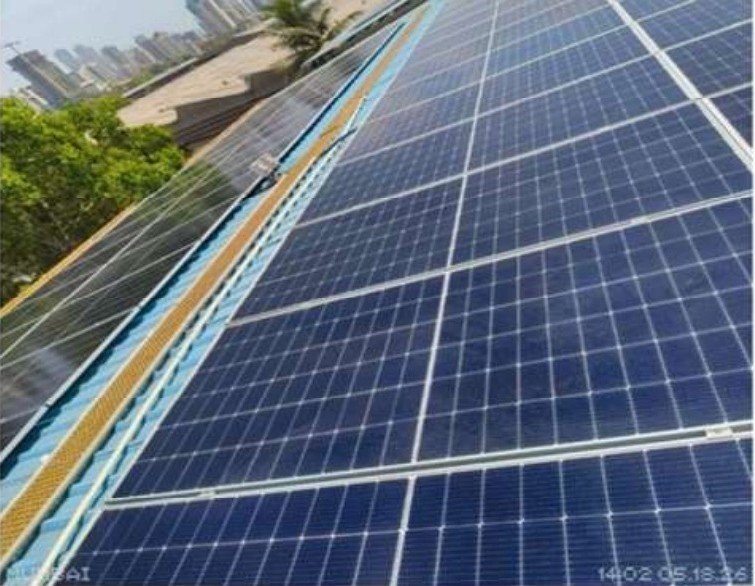
The plants at a glance
- Total DC capacity: 2,300 kWp
- Total AC capacity: 2,000 kW
- Solar modules: 5,448
- Inverters: 35
- Net metering available for both plants
Both plants are connected to the grid and have online remote monitoring to track generation. Officials said generation is regularly checked against electricity bills, and the modules are cleaned on a fixed schedule to keep output steady.
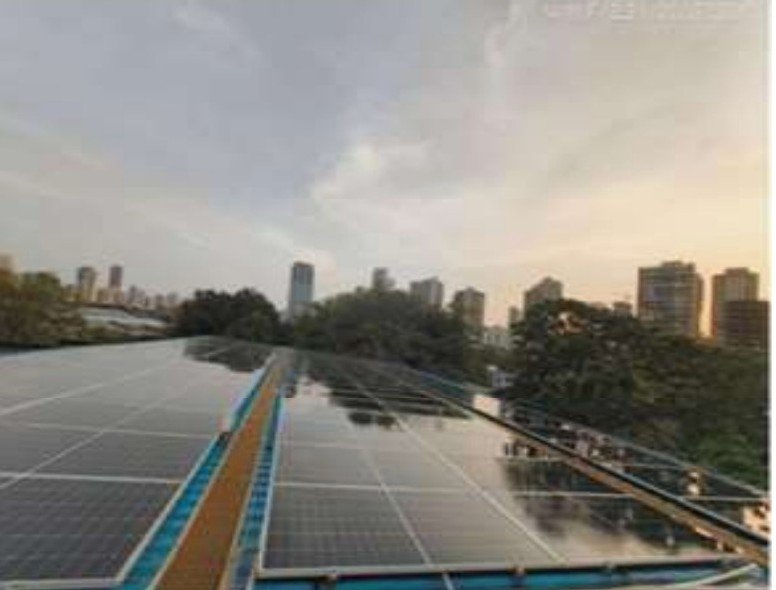
A century-old workshop goes green
The Matunga Workshop was set up in 1915 by the erstwhile Great Indian Peninsula (GIP) Railway to maintain and repair broad-gauge and narrow-gauge coaches and wagons. The solar push is part of Indian Railways’ goal of becoming a Net Zero Carbon Emitter by 2030.
Central Railway said its total commissioned rooftop solar capacity now stands at 22.68 MWp, well above the 10.33 MWp target set by the Prime Minister’s Office for the zone.