


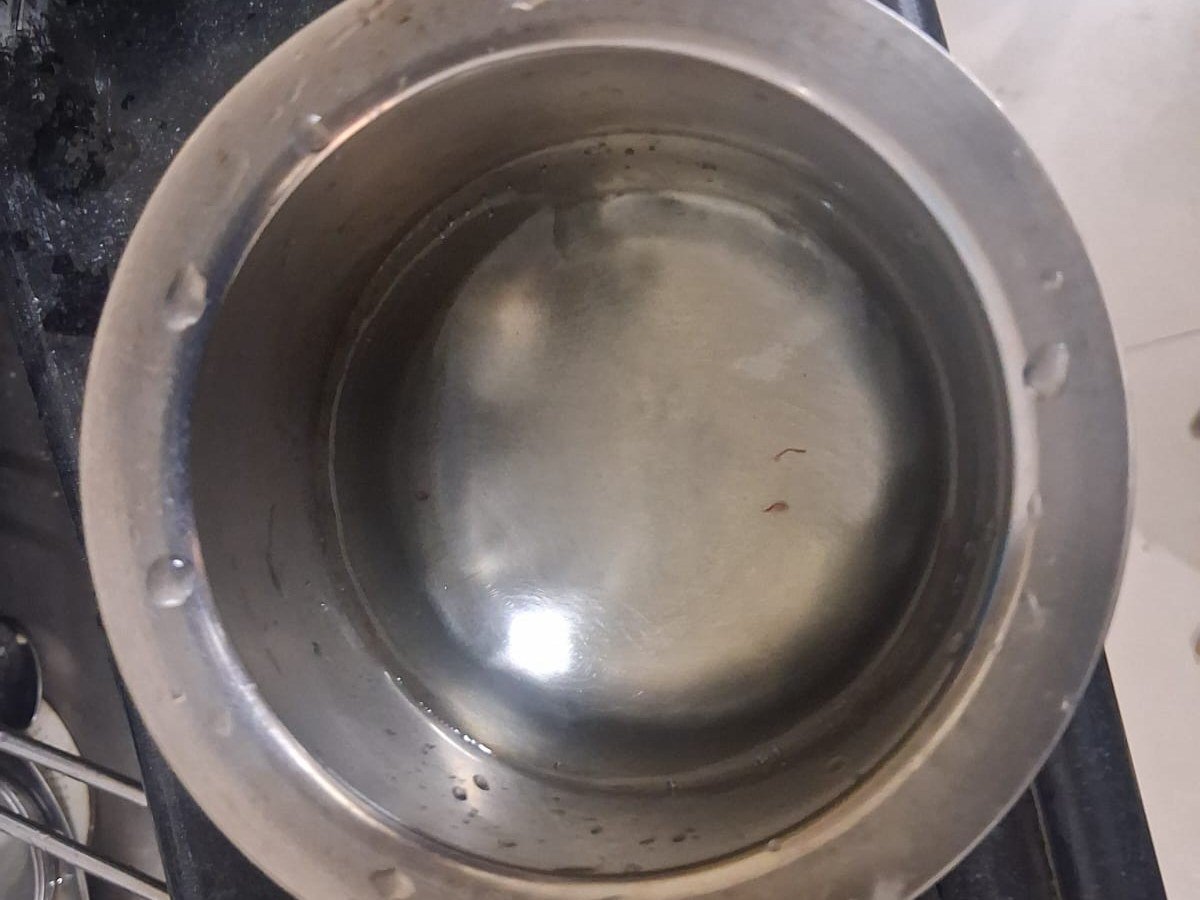
DOMBIVLI: Residents of the Dombivli MIDC residential area are alarmed after reddish worms began appearing in tap water supplied through the MIDC pipeline over the past two days, raising serious concerns about public health.
The worms have been seen in homes in Milap Nagar and other residential pockets of the area. Residents said the water is coming straight from the MIDC pipeline into their homes, and not from their buildings’ storage tanks.
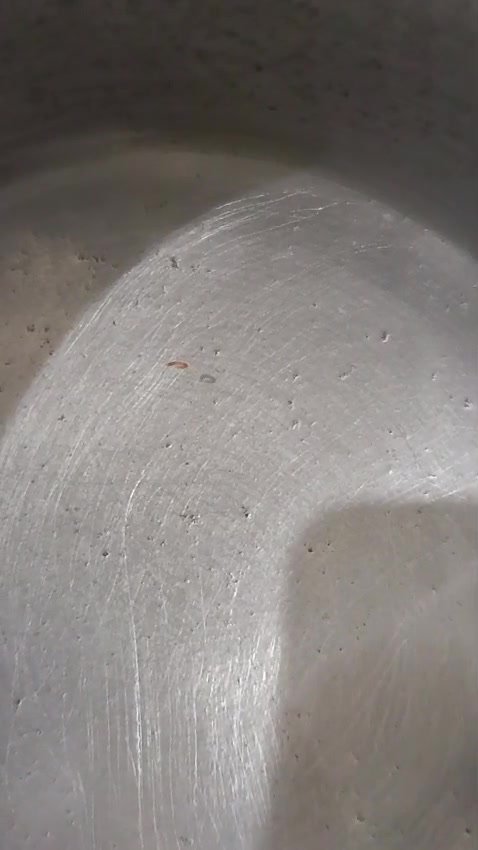
At bungalow plot RL-136 in Milap Nagar and in neighbouring bungalows, red worms were seen coming out of the taps. Ashwini Deshpande Kulkarni, who lives in the bungalow, noticed the worms for two days and contacted Milap Nagar Residents Welfare Association secretary Arun Joshi and executive committee member Raju Nalawade, who visited and saw the problem for themselves.
As the MIDC office was closed on Tuesday for Guru Nanak Jayanti, the association informed MIDC officials about the problem by message.
Lab report on foul smell still not public
About a month ago, residents had complained of a foul smell in MIDC water. MIDC collected samples and sent them to a laboratory for testing, but the test report has neither been made public nor shared with residents.
Water cuts and illness add to worry
MIDC is already enforcing water cuts because of a shortage, and residents have been using water sparingly. Cases of infectious illness have also been reported across the MIDC area and nearby villages, and people are being advised to boil drinking water. The worms and the earlier foul smell have now left residents rattled.
Doctor warns of waterborne diseases
Paediatrician Dr Mangesh Pate called the incident a serious public health concern. He said worms in tap drinking water could point to unhygienic conditions, contamination or serious lapses in the maintenance of the water supply system.
“Such water carries the risk of waterborne diseases such as cholera, typhoid, diarrhoea, gastroenteritis, dysentery and Hepatitis A and E,” Dr Pate said. If the larvae are of mosquitoes, there could also be an indirect risk of dengue, malaria and chikungunya, he added.
Dr Pate said supplying clean and safe drinking water is the basic responsibility of MIDC and the municipal corporation. He called for immediate testing of water samples, an audit of pipelines and storage tanks, and fixing responsibility on those at fault. “Contaminated water is an invitation to disease,” he said.