

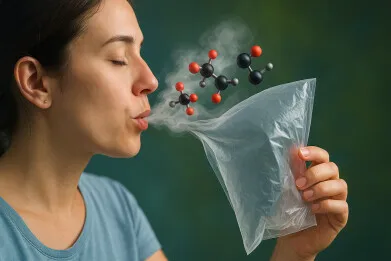
This new sensor focuses on acetone in exhaled breath. Although acetone is naturally present as a byproduct of fat metabolism, levels higher than approximately 1.8 parts per million are a strong indicator of diabetes.
A Penn State team developed a rapid, non-invasive breath sensor that detects acetone — a diabetes biomarker — in minutes using laser-induced graphene. The sensor could make screening cheaper and easier — especially for the nearly 1 in 5 U.S. adults with undiagnosed diabetes.
In the United States roughly 37 million adults live with diabetes — and nearly one in five of them are unaware of their condition. Current screening and diagnostic methods typically require clinic visits, blood draws and lab analysis, which can be costly and slow. A reliable breath test could expand access to screening and catch undiagnosed cases earlier.
How the sensor detects acetone
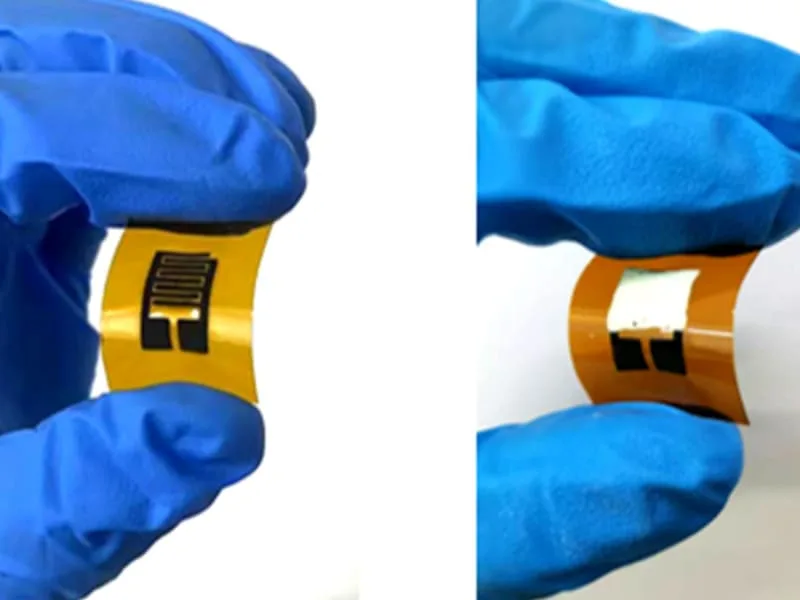
The team led by Huanyu “Larry” Cheng, the James L. Henderson, Jr. Memorial Associate Professor of Engineering Science and Mechanics at Penn State, has created a sensor capable of diagnosing diabetes and prediabetes within minutes using only a breath sample. The findings were reported in the Chemical Engineering Journal.
Traditional diagnostic approaches have typically relied on measuring glucose levels in blood or sweat. This new sensor, however, focuses on acetone in exhaled breath. Although acetone is naturally present as a byproduct of fat metabolism, levels higher than approximately 1.8 parts per million (ppm) are a strong indicator of diabetes.
The user experience: exhale, dip, read
According to Cheng, the test is simple and practical: the user exhales into a bag, dips the sensor into the sample, and reads results within minutes. Unlike sweat-based sensors that require induced sweating (exercise, chemicals or saunas), this breath approach needs only a normal exhale.
Advantages over previous breath devices
Previous breath-analysis systems often measured biomarkers that still required laboratory confirmation. The Penn State design aims to enable on-site acetone detection, making it faster and more affordable for routine screening.